Education
Education in Uganda: Why It Matters
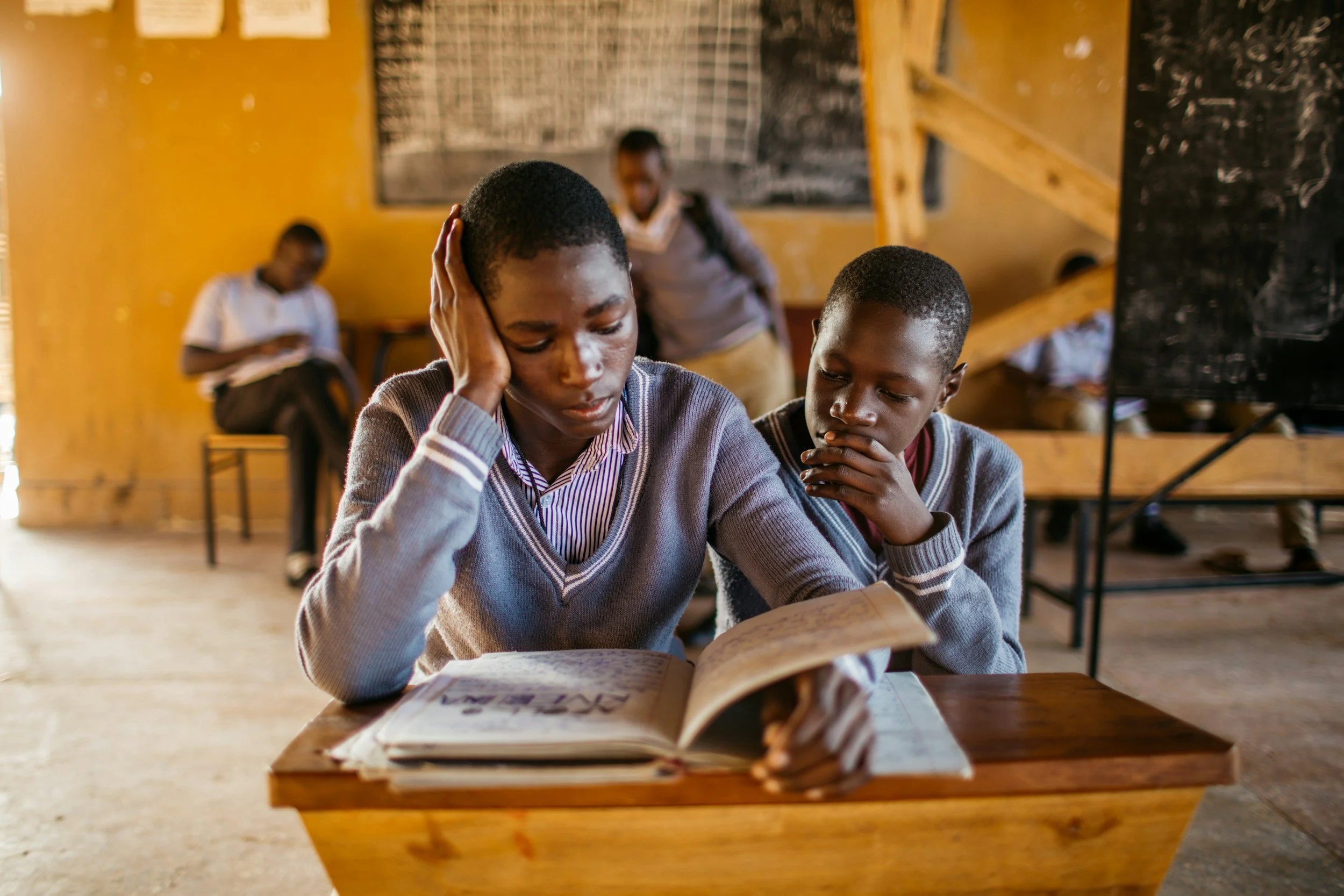
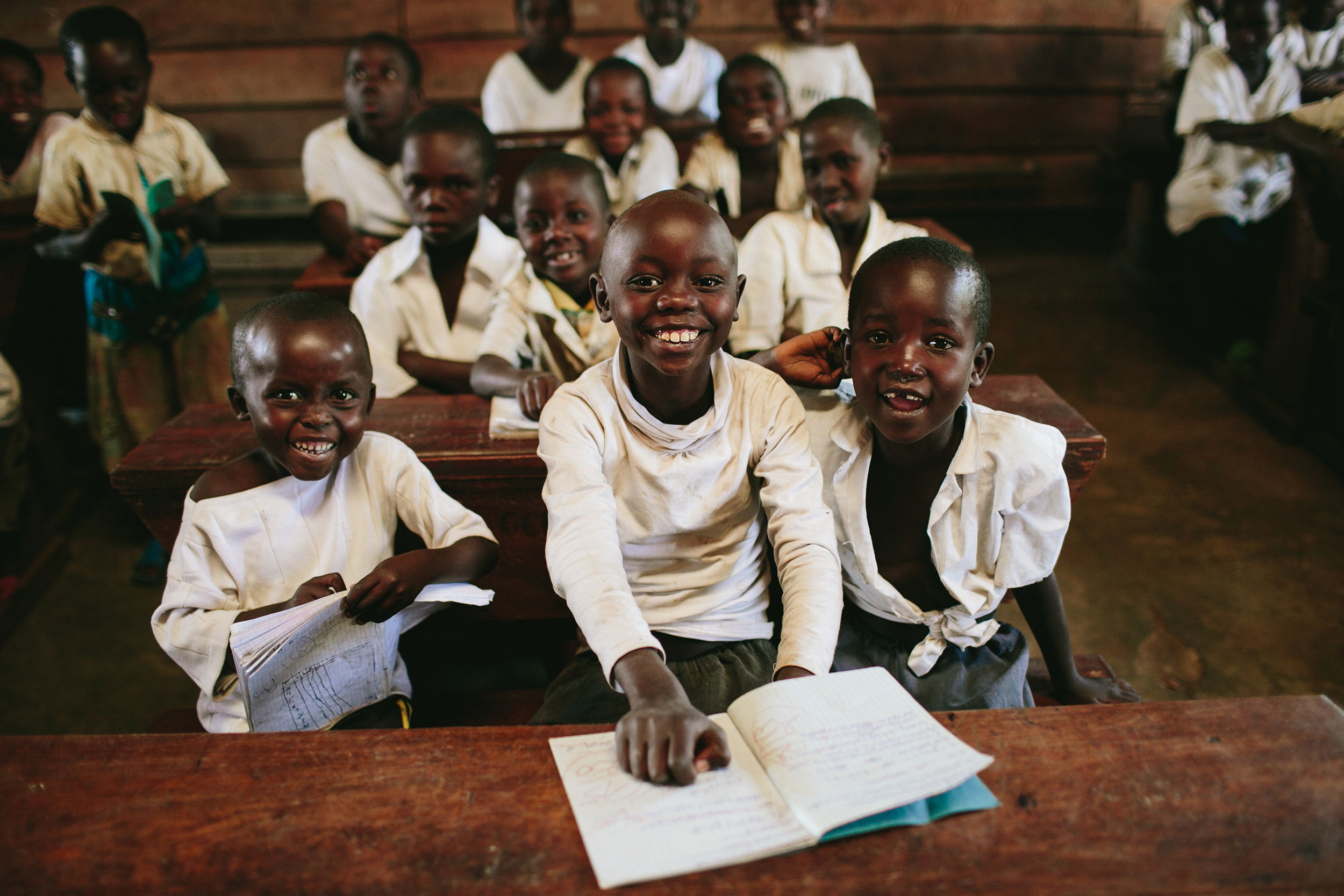
Education in Uganda has expanded significantly in recent decades, particularly through government programs such as Universal Primary Education (UPE) and Universal Secondary Education (USE). While these initiatives have increased access, many families still face substantial financial barriers.
Even in government-supported schools, families are often responsible for additional costs such as uniforms, supplies, examination fees, meals, and transportation. For low-income households, these expenses can be overwhelming. When families struggle to provide basic needs like food, shelter, and clothing, school-related costs may force children to miss terms or drop out temporarily until fees can be paid.
For orphaned or abandoned children, the challenges are even greater. Without stable family support, education often becomes secondary to survival needs such as food and housing. Yet when speaking with parents and children alike, one truth remains consistent: education is deeply valued. Families understand that schooling creates opportunity—not only for the child, but for the future stability of the entire household.
At Faith Children’s Home, we believe education is one of the most powerful tools for breaking cycles of poverty and creating long-term transformation. Through sponsorship and partnership, we are able to provide consistent schooling, uniforms, supplies, and academic support so that children do not have to sit out terms due to financial hardship.
The need remains real. With continued support, more children can stay in school, complete their education, and step into the futures God has prepared for them.
Faith Children’s Home — Education Projects
Faith Children’s Home develops education projects to provide stable, holistic learning opportunities for children in our care and in surrounding communities. Our programs focus on access, quality, and life skills to help children thrive academically, emotionally, and socially.
Core Projects
Early Childhood Education Center
Purpose: Prepare children aged 3–6 for primary school with foundational literacy, numeracy, and social-emotional skills.
Activities: Play-based learning, phonics, counting, storytelling, and parent engagement sessions.
Outcomes: Improved school readiness, better transition into primary grades, and stronger parent–child educational partnerships.
Primary School Support Program
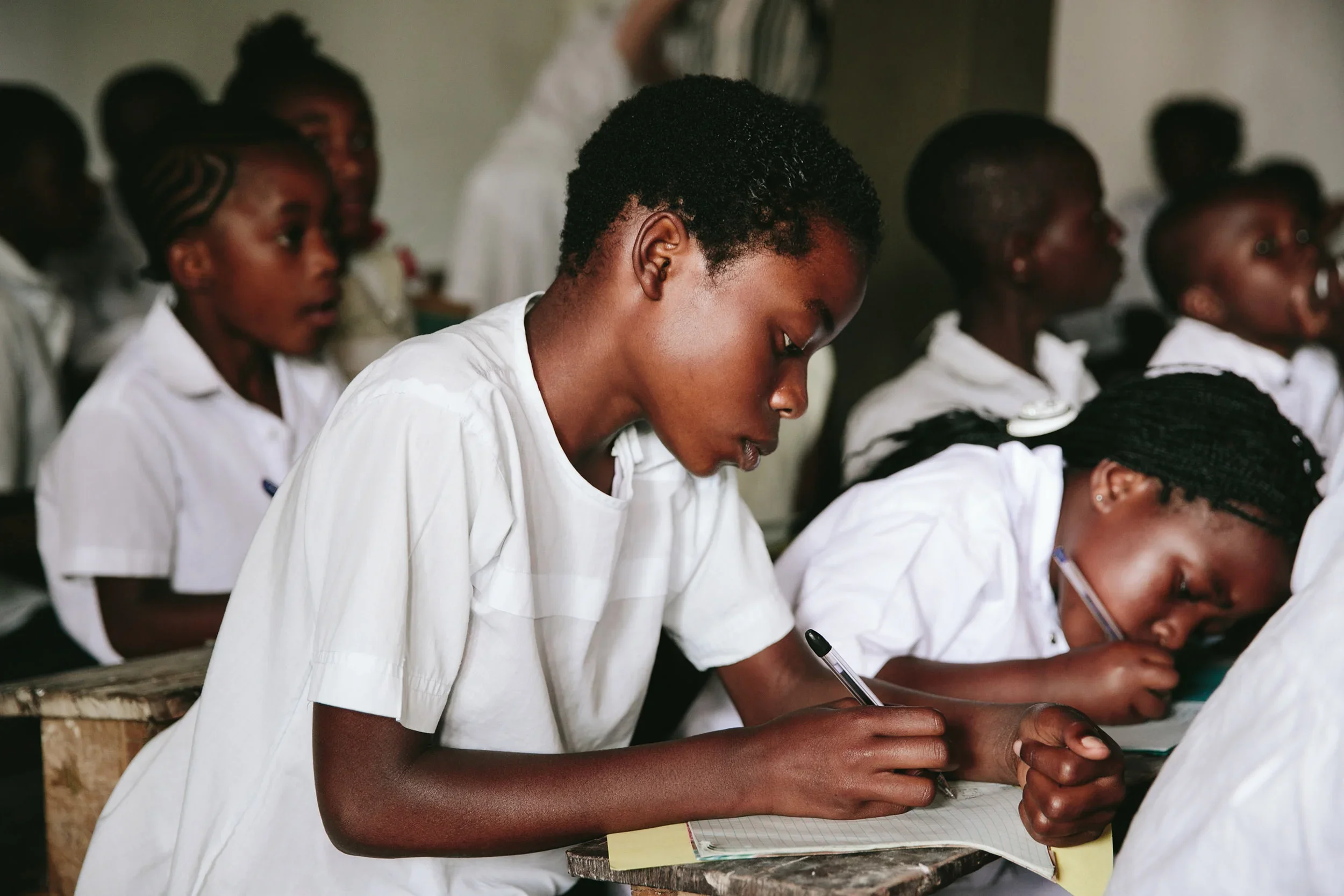
Purpose: Support school-aged children (grades 1–7) with academic reinforcement and supplies.
Activities: After-school tutoring, remedial classes, provision of uniforms, textbooks, and stationery.
Outcomes: Higher attendance, improved test scores, reduced dropout risk.
Secondary School Scholarship Fund
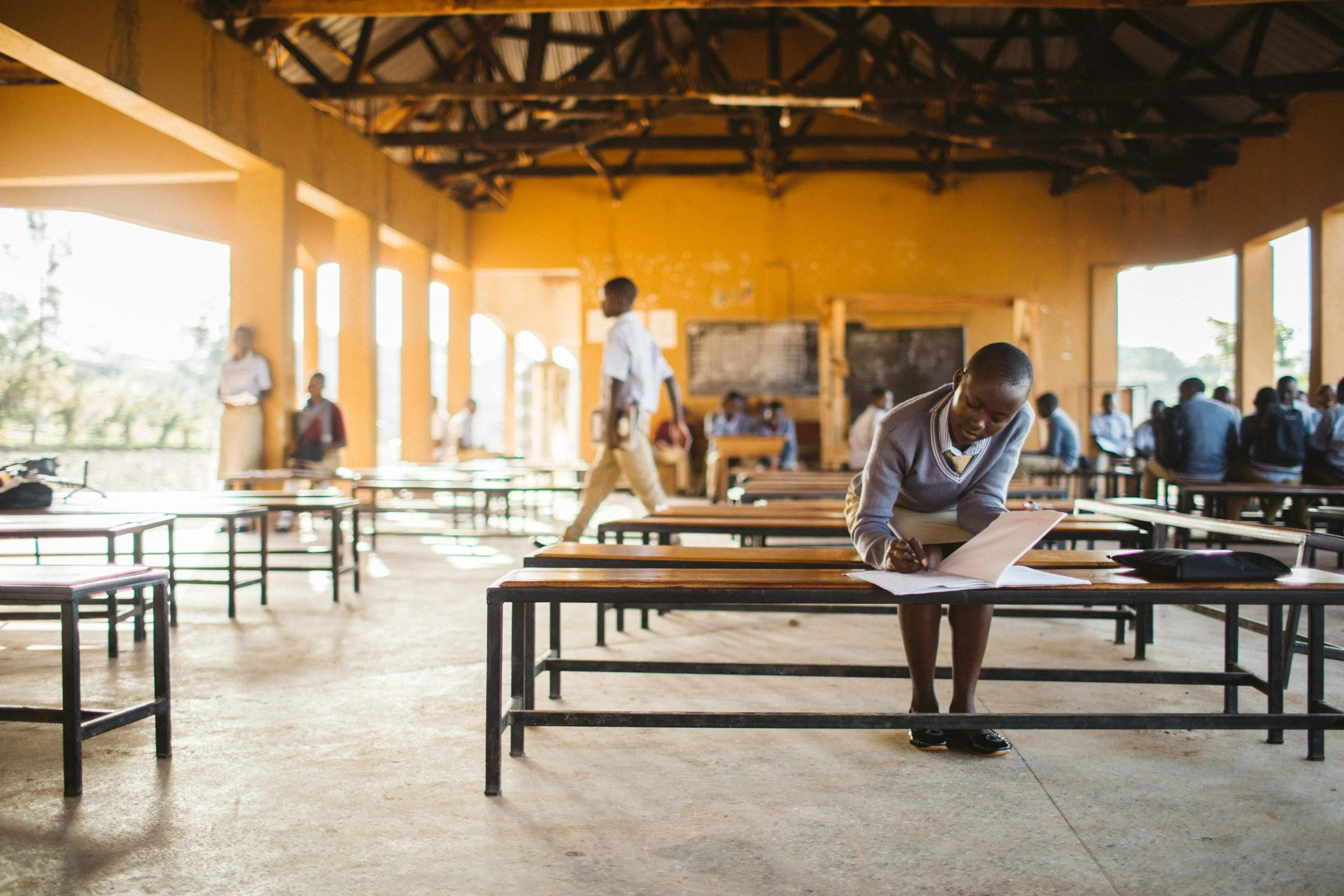
Purpose: Enable capable students from low-income backgrounds to complete secondary education (O-Level and A-Level).
Activities: Tuition sponsorship, boarding support, mentorship, and career guidance.
Outcomes: Increased secondary completion rates and expanded opportunities for higher education or vocational training.
Teacher Training and Capacity Building
Purpose: Improve instructional quality at the Home and partner schools.
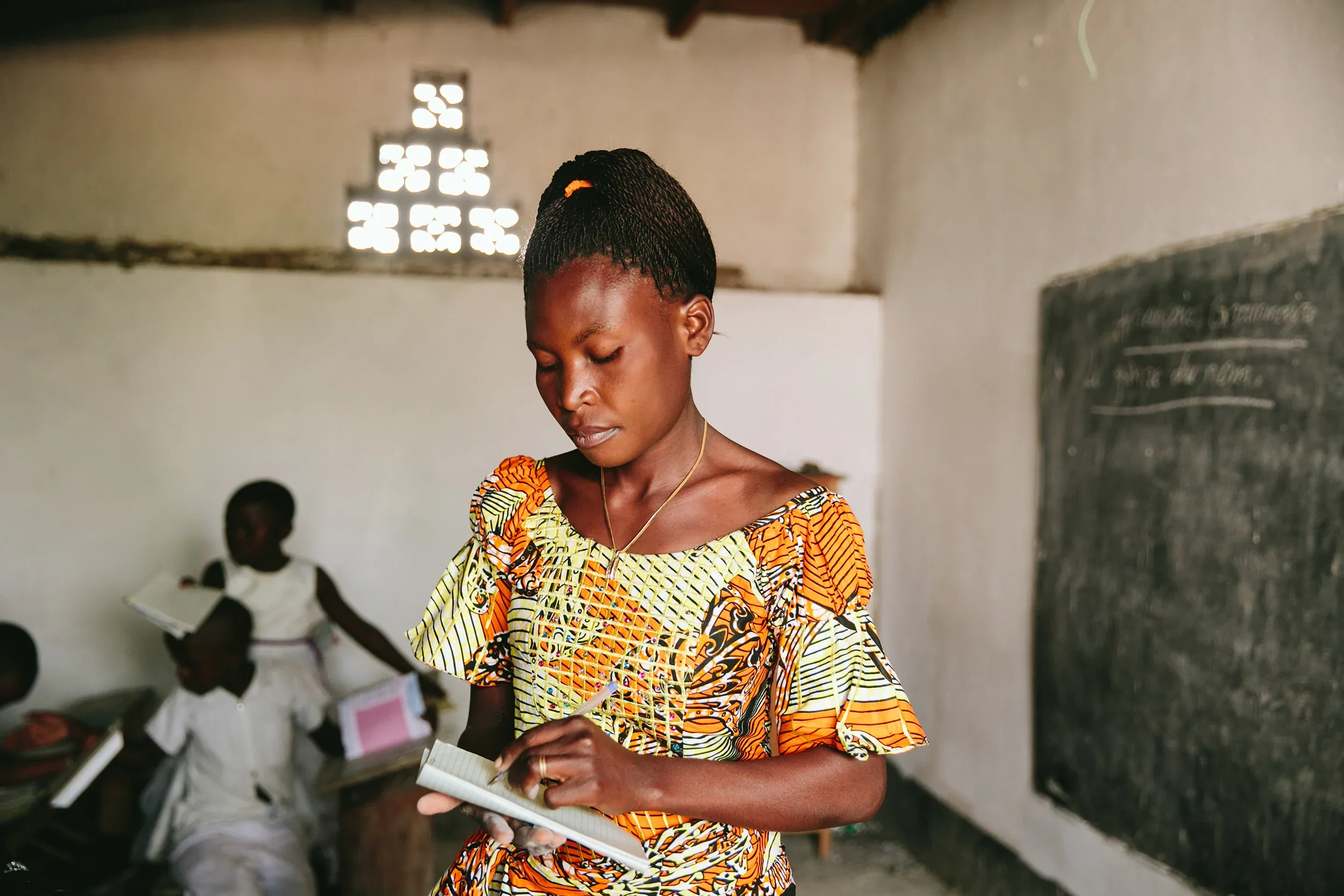
Activities: Workshops on child-centered pedagogy, classroom management, inclusive education, and assessment strategies.
Outcomes: Enhanced teacher effectiveness, better student engagement, and improved learning outcomes.
Vocational and Life Skills Training
Purpose: Equip youth with practical skills for employment and self-reliance.
Activities: Training in carpentry, tailoring, agriculture, ICT basics, entrepreneurship, and financial literacy.
Outcomes: Youth employment, small-business startups, and reduced reliance on aid
Inclusive Education and Special Needs Support
Purpose: Ensure children with disabilities or learning difficulties receive appropriate support.
Activities: Screening and assessment, individualized learning plans, assistive devices, and teacher aides.
Outcomes: Greater inclusion, individualized progress, and improved confidence.
Community Literacy and Outreach
Purpose: Raise literacy levels and educational awareness in neighboring communities.
Activities: Adult literacy classes, reading clubs, school supplies drives, and community education forums.
Outcomes: Stronger community support for education and improved home learning environments.
Implementation Approach
Needs Assessment: Conduct baseline surveys and learning assessments to tailor programs to child and community needs.
Partnerships: Work with local schools, government education offices, NGOs, and volunteers to maximize reach and sustainability.
Monitoring & Evaluation: Track attendance, assessment scores, graduation rates, and beneficiary feedback to measure impact and guide improvements.
Sustainability: Combine donor funding with income-generating activities, alumni engagement, and local government integration to sustain programs long-term.
Impact Indicators to Track
Enrollment and attendance rates
Transition and completion rates (primary to secondary)
Standardized test performance and remedial progress
Number of teachers trained and classroom implementation
Youth employment or further training placement rates
Beneficiaries receiving assistive support for special needs
Funding Priorities
Classroom construction and rehabilitation
Teaching and learning materials
Scholarships and living support for vulnerable students
Vocational training equipment and tools
Teacher training workshops
Assistive devices and special needs resources
Support our education projects through donations, volunteer teaching, material donations (books, uniforms, stationery), or partnerships to expand reach and sustainability. Together we can create pathways to learning and brighter futures for the children at Faith Children’s Home.