Agriculture
Faith Children’s Home — Supporting Agriculture in Our Region
Faith Children’s Home recognizes agriculture as a vital means to improve food security, generate income, and teach practical skills to the children and families we serve. Supporting local agriculture strengthens community resilience, promotes sustainable livelihoods, and creates hands-on learning opportunities for youth. Agricultural support can take many forms: direct funding, in-kind donations, technical training, infrastructure development, and market access assistance.
How support can be used
Seed and planting materials
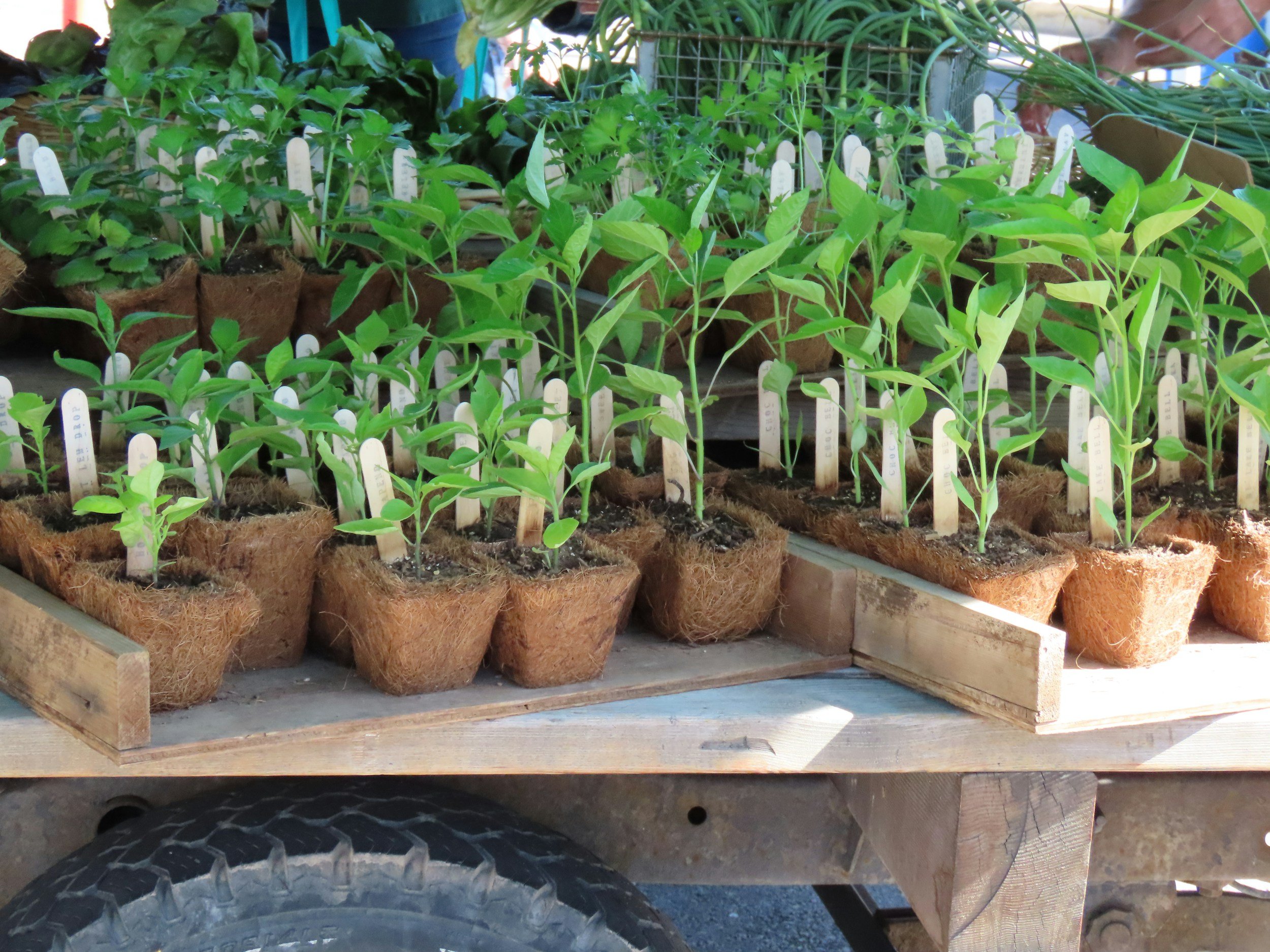
Purchase of high-quality seeds (vegetables, grains, legumes, fruit trees) suited to local climate and soils.
Rootstock or seedlings for orchards, bananas, coffee, or other perennial crops.
Seed storage containers and materials to preserve viability.
Tools and equipment
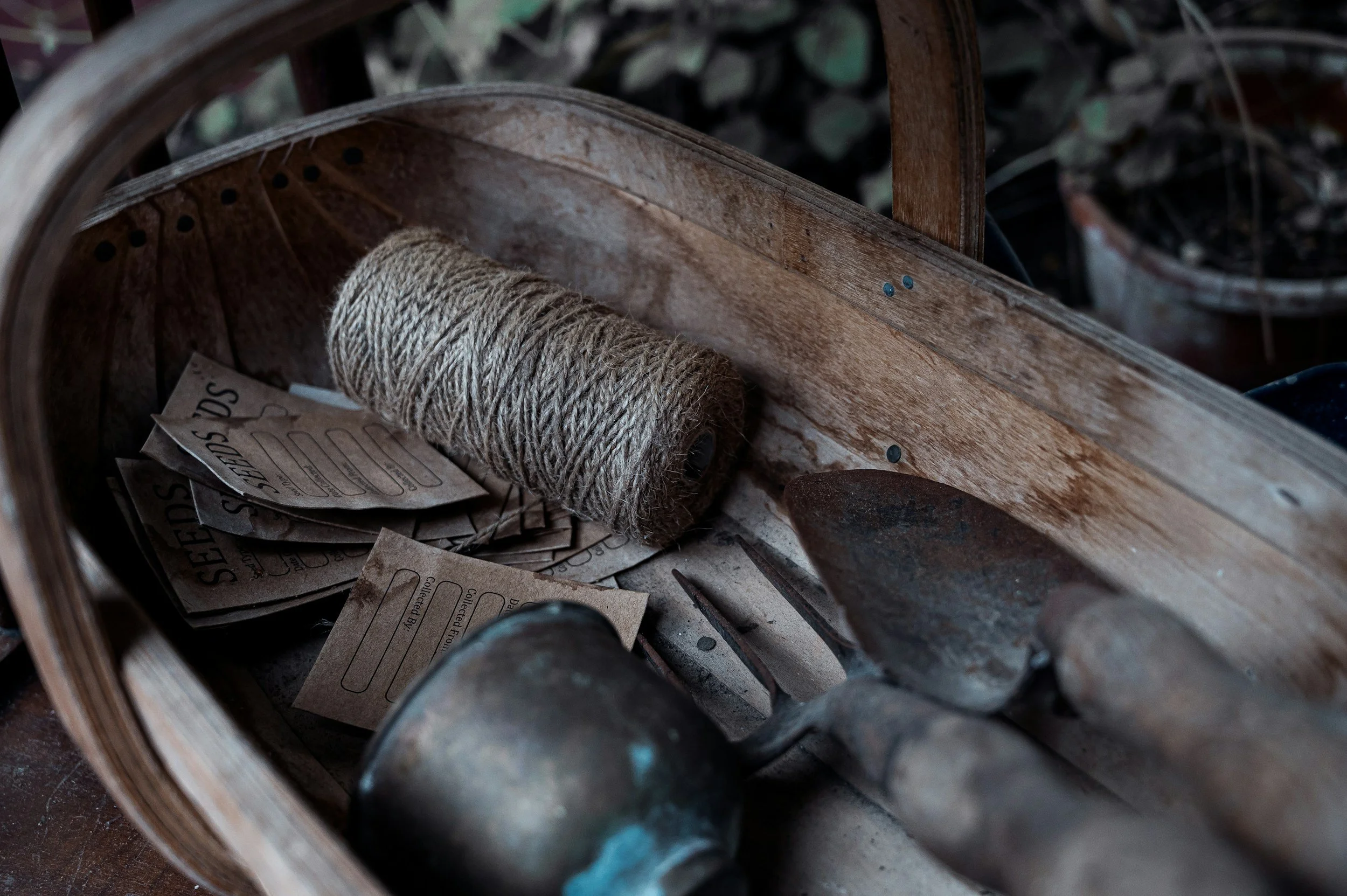
Hand tools: hoes, machetes, watering cans, spades, rakes.
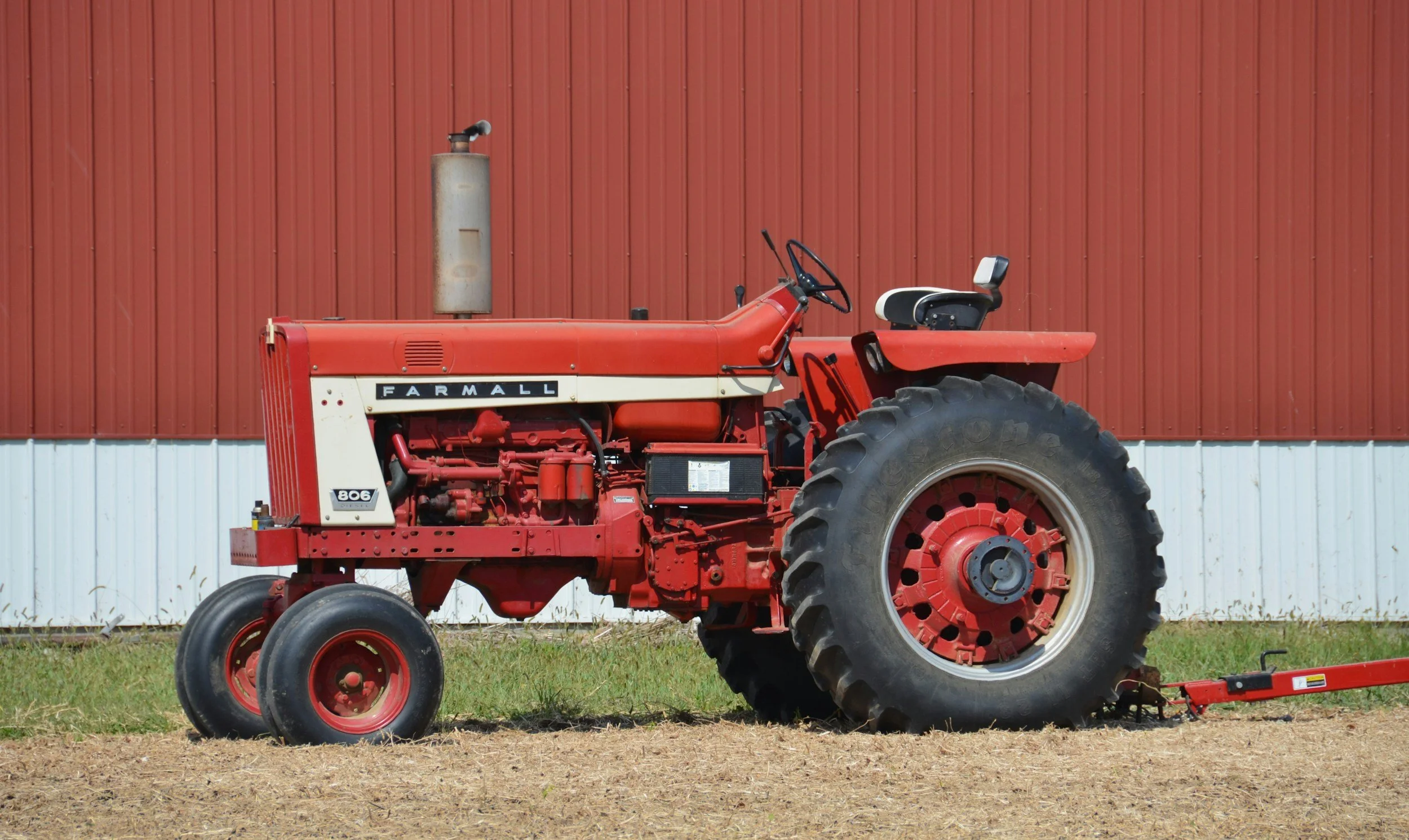
Small mechanized tools where appropriate: motorized pumps, tillers, maize shellers.
Protective gear: gloves, boots, sun hats.
Soil fertility and crop protection
Organic inputs: compost bins, manure, biofertilizers.
Soil testing kits and amendments (lime, gypsum) guided by test results.
Safe, approved pesticides and integrated pest management supplies.
Mulch materials and drip irrigation components to conserve moisture.
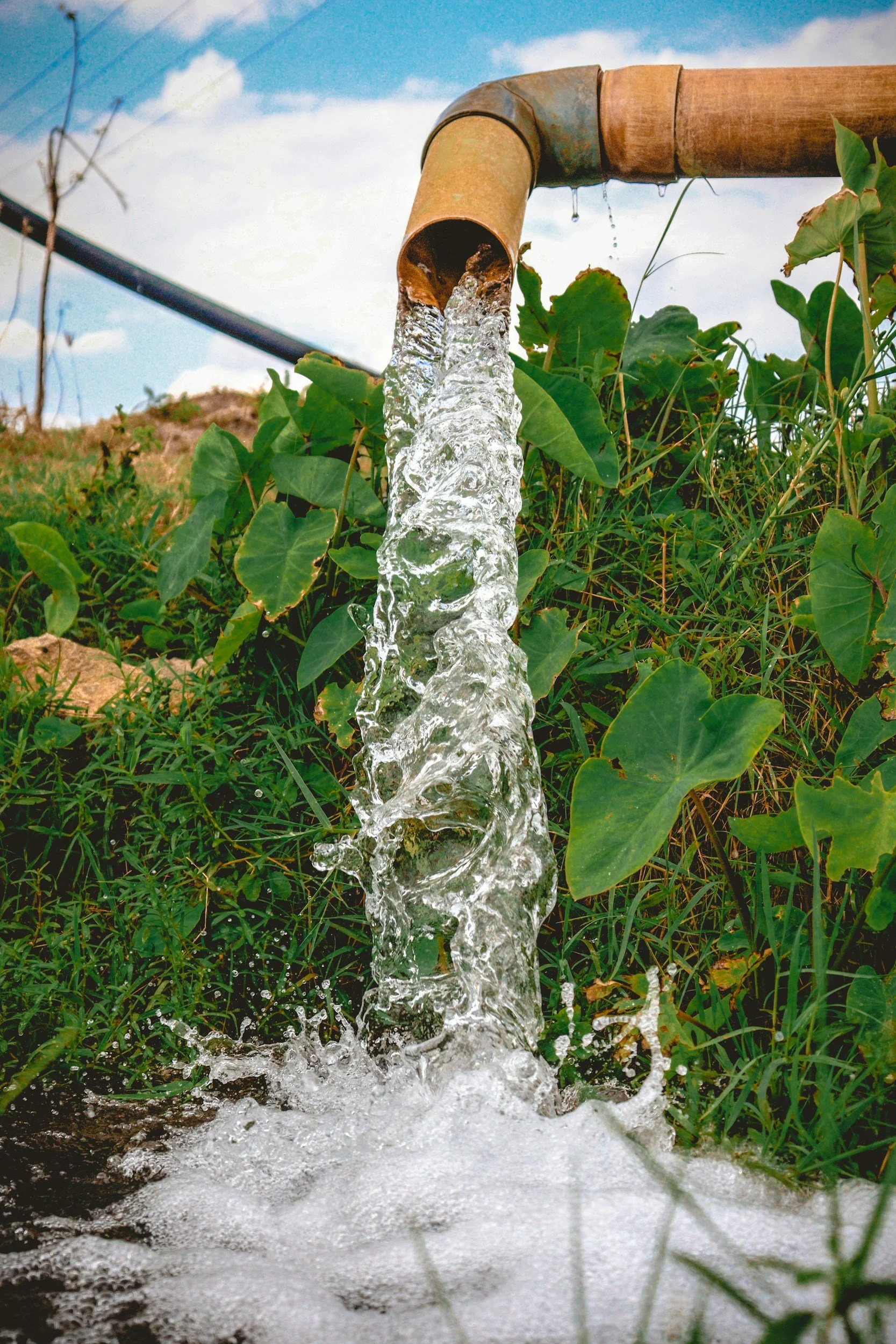
Water and irrigation
Construction or repair of water storage: tanks, reservoirs.
Borehole drilling or hand-pump installation/maintenance.
Rainwater harvesting systems and guttering.
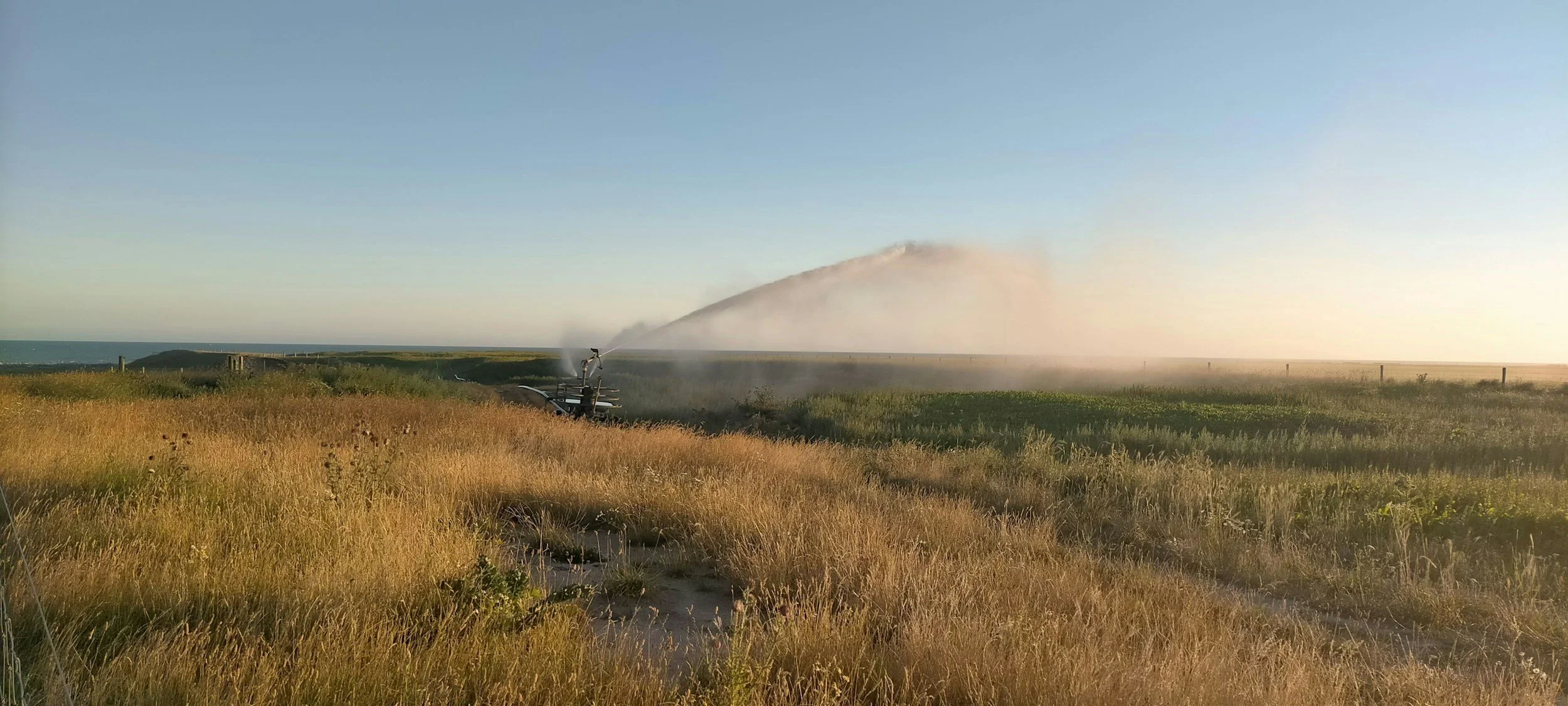
Small-scale irrigation systems: drip, sprinklers, hoses, pumps.
Post-harvest handling and storage
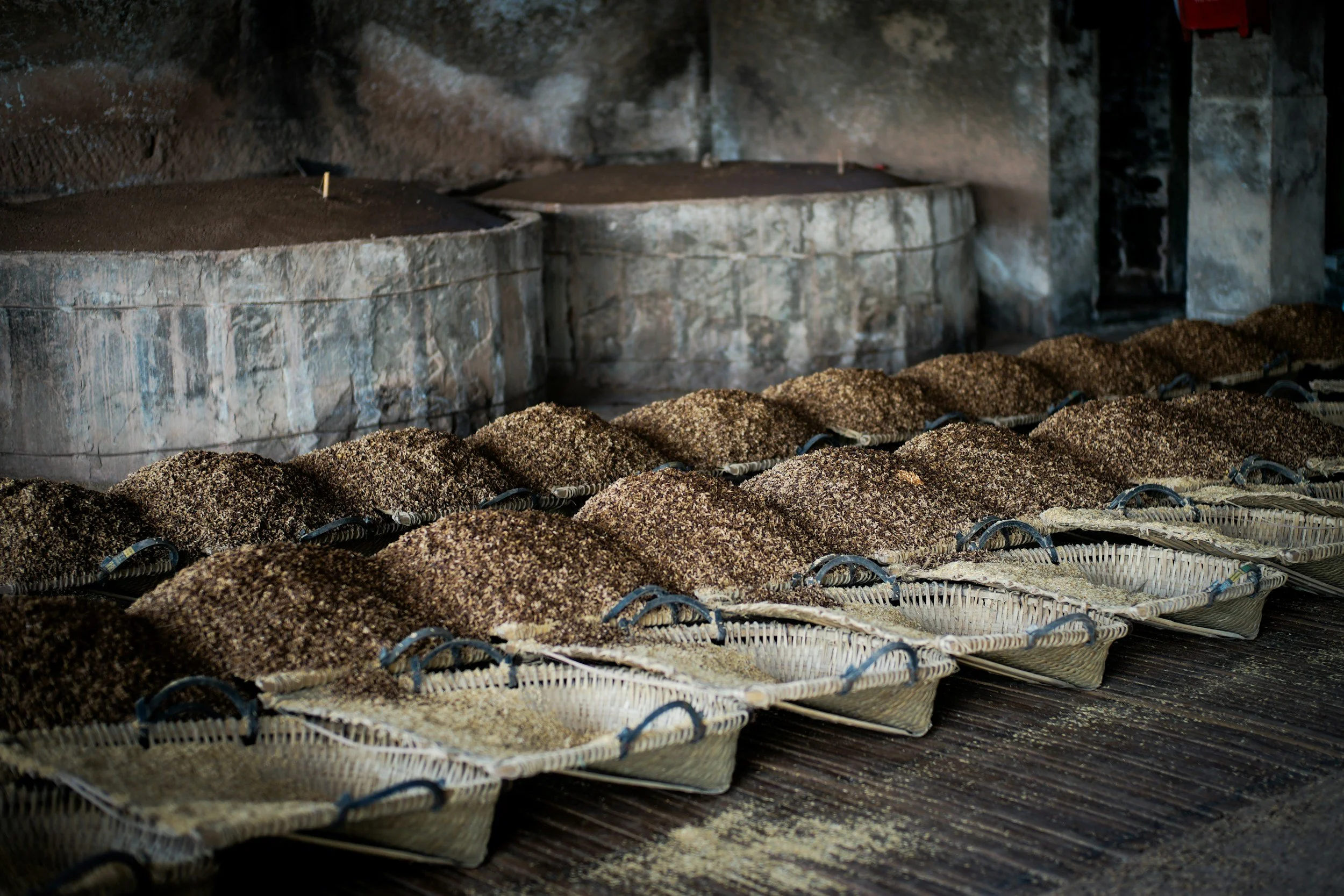
Drying racks, raised platforms, and solar dryers.
Crates, bags, and airtight containers for produce and seed.
Grain stores and rodent-proof storage solutions.
Simple processing equipment: mills, presses, grinders.
Farm infrastructure
Fencing and fencing materials to protect crops from animals.
Greenhouses, shade nets, or polytunnels for nursery and high-value crops.
Composting areas, raised beds, and nursery beds.
Simple shelters and storage sheds.
Livestock and poultry
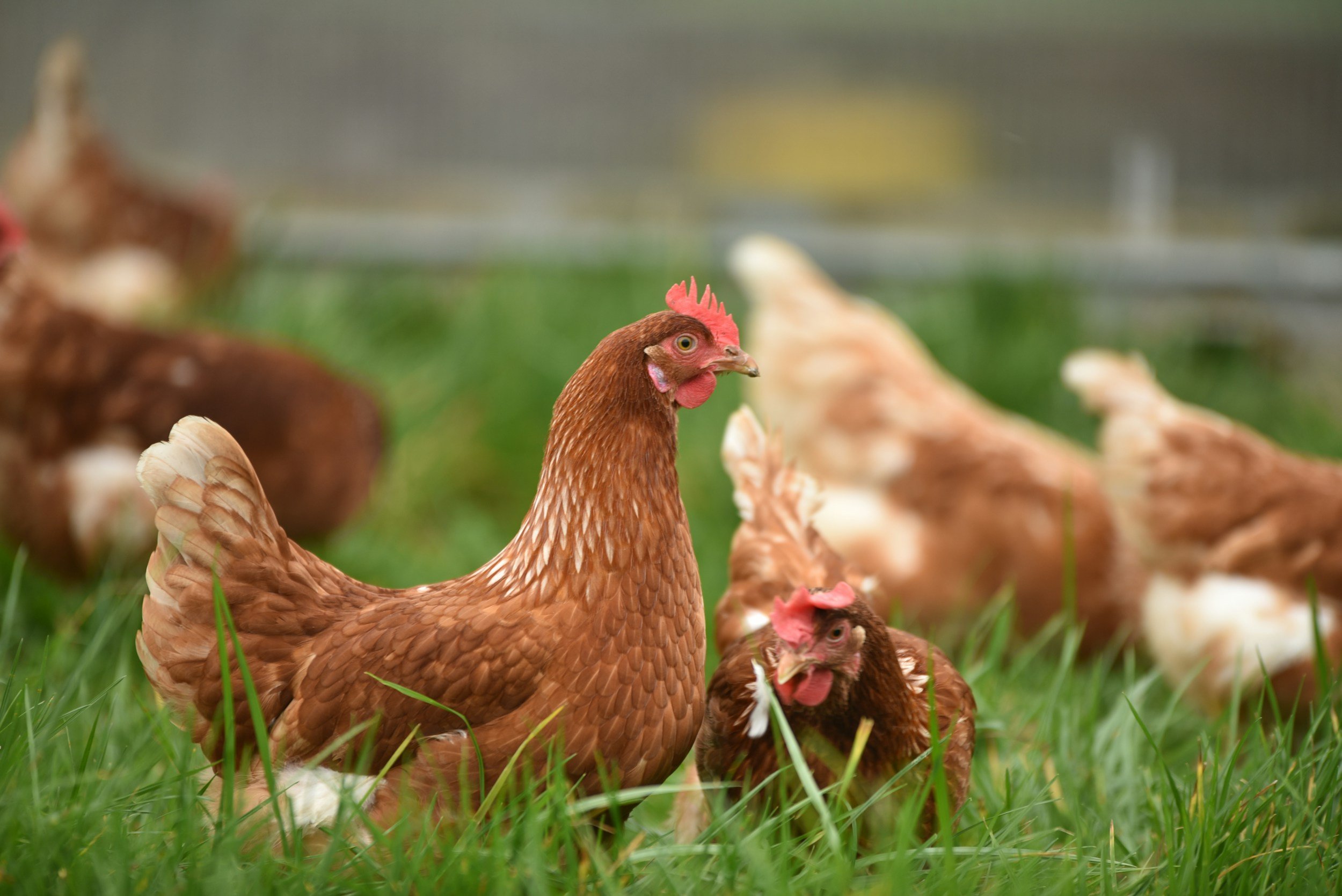
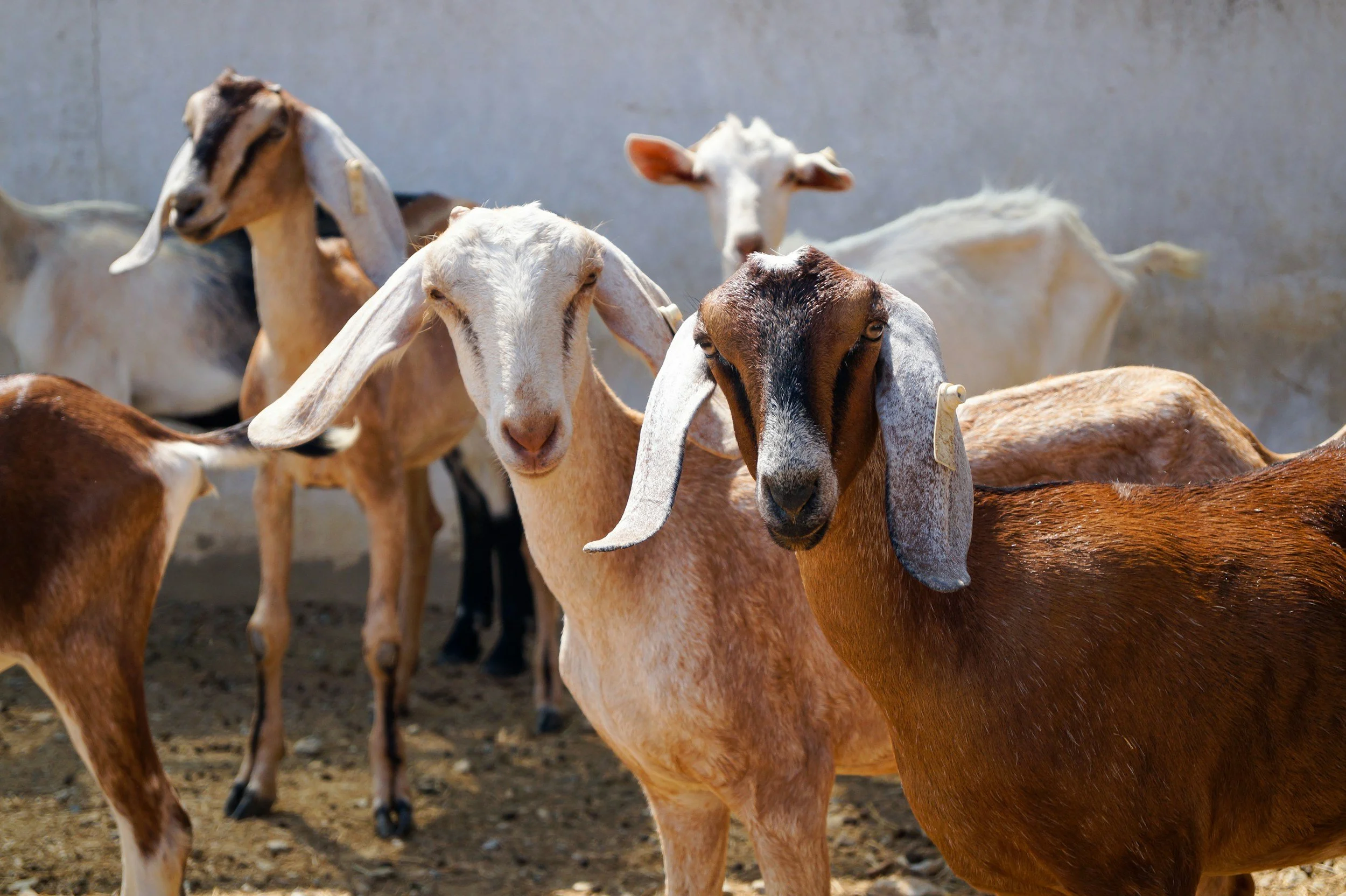
Starter stock: chickens, goats, rabbits, or beehives where suitable.
Feed and veterinary supplies.
Housing and secure pens or coops.
Training in animal husbandry and disease prevention.
Training and capacity building
Agronomy and crop management training for staff and older children.
Business and market skills: recordkeeping, budgeting, value chain basics.
Training on sustainable practices: agroecology, conservation agriculture, permaculture.
Post-harvest and processing skills for value addition.
Market access and income generation
Packaging and basic branding materials to improve sales.
Transportation support for surplus produce to local markets.
Small revolving funds or microgrants to start market-oriented plots.
Support for forming cooperatives or linking with buyers.
Monitoring, evaluation, and sustainability
Tools for tracking yields, income, and food security impact.
Support for pilot projects and scaling successful practices.
Funding for maintenance and replacement of critical equipment.
Environmental assessments to ensure practices are sustainable.
How donations and support are managed at Faith Children’s Home
Transparent allocation: Donations are matched to project needs with clear plans showing intended purchases and outcomes.
Prioritized budgeting: Immediate food-security items (seeds, tools, water) are prioritized, followed by infrastructure and training.
Community involvement: Local staff, caregivers, and community members participate in planning and implementation to ensure relevance and ownership.
Accountability: Regular reports on use of funds, photos of purchased items, and updates on crop performance and income generated.
Examples of specific purchase packages
Starter garden kit ($X range): seed varieties, basic hand tools, watering cans, soil amendment, and training session.
Nursery setup ($X range): seed trays, irrigation tubing, shade net, compost bins, and seedlings.
Poultry starter bundle ($X range): 50 chicks, coop materials, feed for initial weeks, vaccinations, and husbandry training.
Water access upgrade ($X range): rainwater harvesting system or pump repair plus installation labor.
How you can help
One-time donations for specific items or packages listed above.
Sponsorships that fund longer-term projects like boreholes, greenhouses, or training programs.
In-kind donations of tools, seeds, or nursery supplies (must meet local suitability requirements).
Volunteering expertise for training, farm planning, or monitoring.
Supporting market-linkage initiatives or small revolving loan funds.