About Uganda
“The Pearl of Africa”
Uganda is a landlocked country in East Africa known for its lush landscapes, diverse wildlife, rich cultures, and deep spiritual heritage. Winston Churchill famously called it the “Pearl of Africa” in 1908 because of its natural beauty and fertile land.
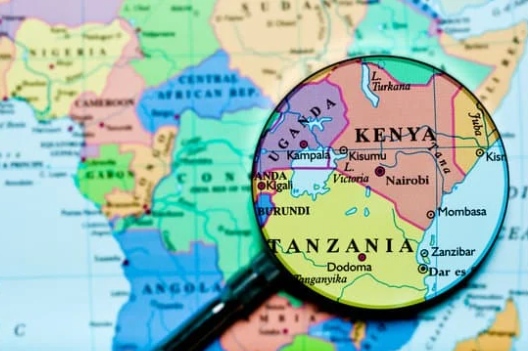
📍 Location & Geography
Region: East Africa
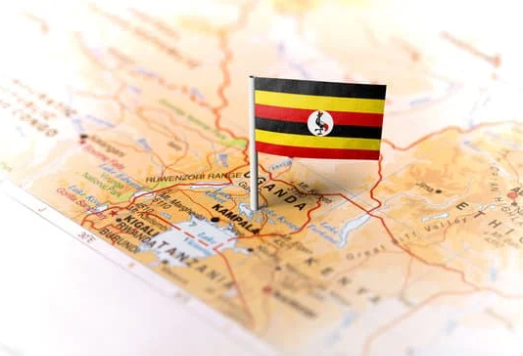
Borders: Kenya (east), South Sudan (north), Democratic Republic of the Congo (west), Rwanda (southwest), Tanzania (south)
Area: ~241,038 square kilometers (93,065 sq mi)
(CIA World Factbook; World Bank)
Landlocked, but home to major lakes, including:
Lake Victoria (Africa’s largest lake by surface area)
Lake Albert
Lake Edward
Lake Kyoga
The Nile River begins in Uganda at Jinja (White Nile).
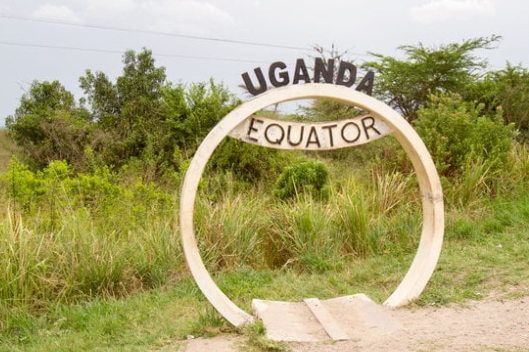
Uganda sits along the Equator, but its elevation (average 1,100 meters / 3,600 ft above sea level) keeps temperatures moderate.
🌡 Climate
Type: Tropical but moderated by altitude
Average temperatures:
20–30°C (68–86°F) in most regions
Cooler in highlands (e.g., Mount Elgon, Rwenzori Mountains)
Rainy seasons:
March–May
September–November
Dry seasons:
December–February
June–August
Uganda’s fertile soils and regular rainfall make it one of the most agriculturally productive countries in East Africa.
👥 Population & People
Population: ~49 million (2024 est.)
(World Bank; UN Population Division)Median age: ~16–17 years
Uganda has one of the youngest populations in the world.Urban population: ~27% (majority rural)
Capital & Major Cities
Capital: Kampala
Other cities: Gulu, Mbarara, Jinja, Mbale, Fort Portal
Languages
Official languages: English and Swahili
Widely spoken: Luganda (central region)
Over 40 indigenous languages are spoken.
✝ Religion & Faith
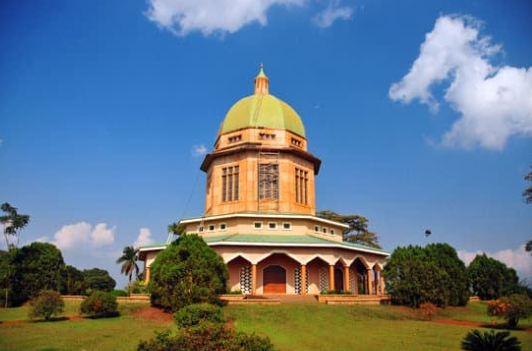
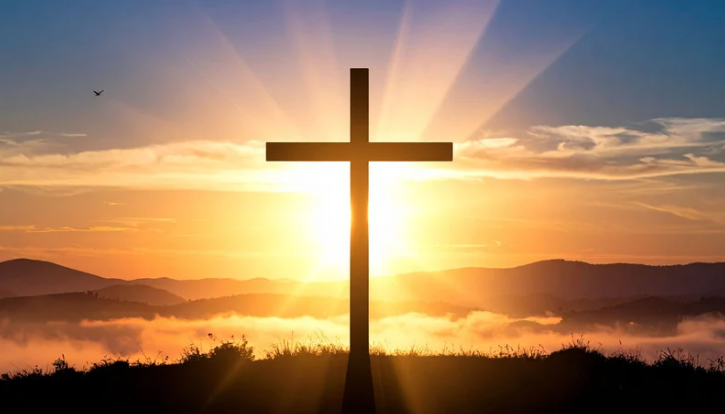
Uganda is deeply religious. Church life is vibrant and central to community life across much of the country.
Christian: ~84%
Roman Catholic ~39%
Anglican ~32%
Pentecostal & other Protestant groups
Muslim: ~14%
Traditional/Other: small percentages
🐘 Wildlife & Natural Wonders
Uganda is one of Africa’s most biodiverse nations.
National Parks (10 total)
Famous parks include:
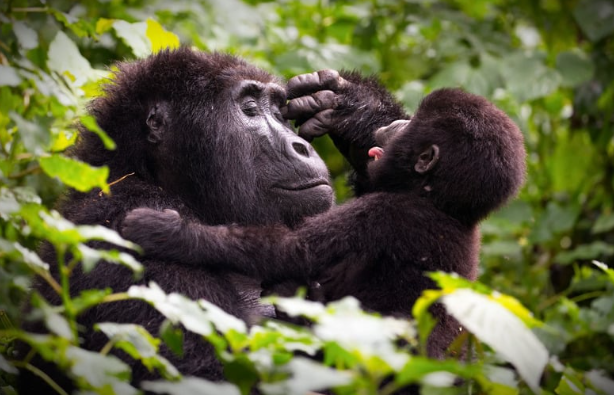
Bwindi Impenetrable National Park — mountain gorillas (about half of the world’s remaining mountain gorillas live in Uganda)
Queen Elizabeth National Park
Murchison Falls National Park
Kidepo Valley National Park
Wildlife
Mountain gorillas
Chimpanzees
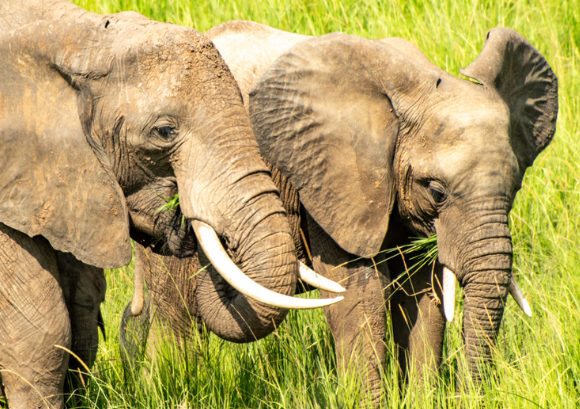
Elephants
Lions (including rare tree-climbing lions in Ishasha)
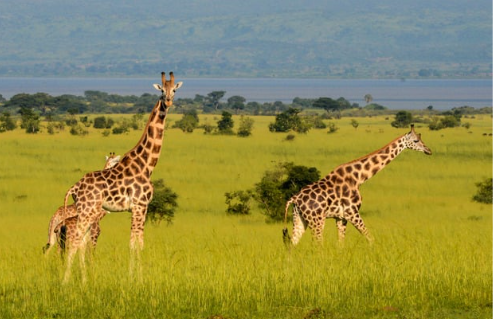
Giraffes
Hippos
Over 1,000 bird species (one of the highest bird counts in Africa)
🌿 Agriculture & Natural Resources
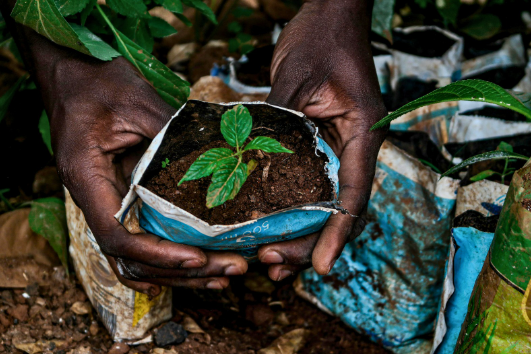
About 70% of Ugandans are engaged in agriculture (World Bank).
Major Crops
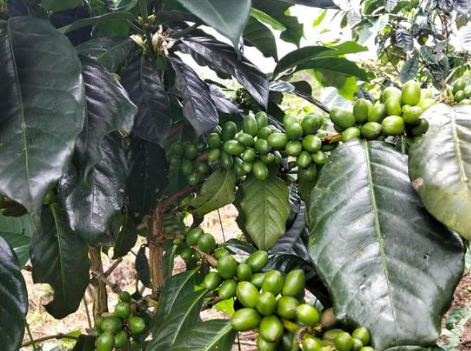
Coffee (major export crop)
Tea
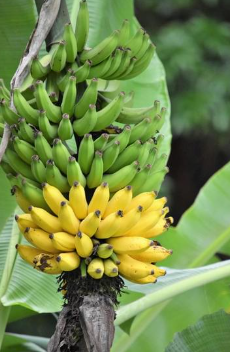
Bananas (matoke is a staple food)
Maize (corn)
Beans
Cassava
Sweet potatoes
Sugarcane
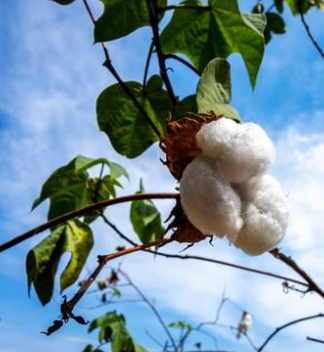
Cotton
Uganda is one of Africa’s leading coffee producers.
Native & Notable Plants
African mahogany
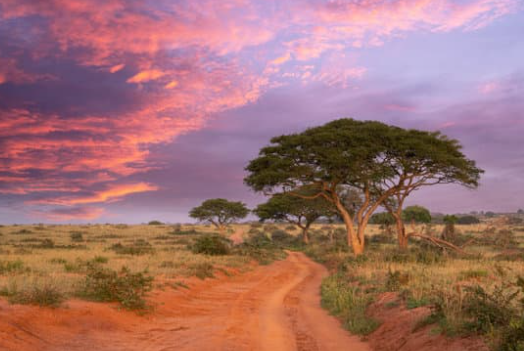
Acacia species
Papyrus (around wetlands)
Banana varieties (hundreds of types grown locally)
🛣 Infrastructure & Roads
Road travel is the primary mode of transport.
Total road network: over 160,000 km (includes national, district, and community roads; UBOS data).
Some major highways are paved, but many rural roads are dirt or gravel.
Transportation between villages can be slow during rainy seasons.
🏔 Notable Geographic Features
Rwenzori Mountains (“Mountains of the Moon”) — snow-capped peaks near the equator
Mount Elgon — extinct volcano on the Kenya border
Source of the Nile — Jinja
Rich wetlands and savannas
Volcanic crater lakes in western Uganda
📖 History Snapshot
Pre-colonial kingdoms (Buganda, Bunyoro, Toro, Ankole)
British Protectorate (1894–1962)
Independence: October 9, 1962
Experienced political instability in the 1970s–1980s
Relative stability since the late 1980s, though economic and governance challenges remain
💛 What Makes Uganda Special
Extraordinary hospitality — visitors often describe Ugandans as warm and welcoming.
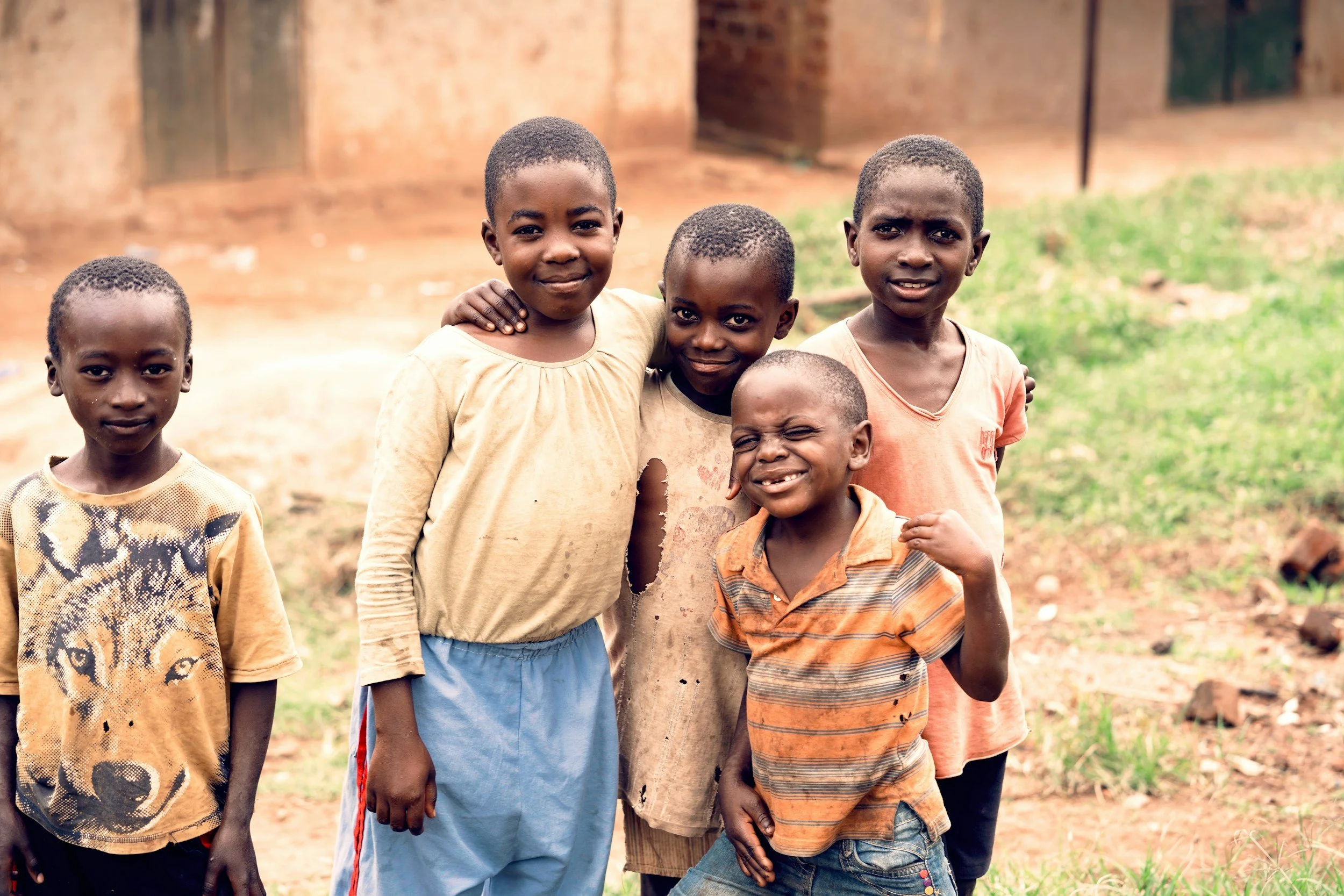
A very young population full of energy and creativity.
Deep church involvement and strong community networks.
Incredible biodiversity in a relatively small country.
Green landscapes year-round in many regions.
Rich music and dance traditions.
📊 Quick Facts Summary
Capital: Kampala | Population~49 million | Area: 241,038 sq km
Official Languages: English, Swahili
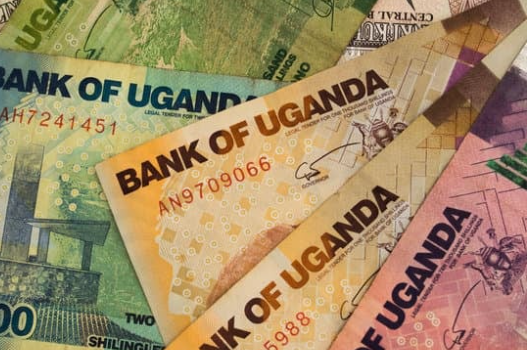
Currency: Ugandan Shilling (UGX)
Independence: October 9, 1962 | Major Export: Coffee
Climate: Tropical, moderated by altitude