Building
Faith Children’s Home — Building Projects in Uganda
Faith Children’s Home is expanding and strengthening its network through targeted building and restoration projects. These projects focus on safe homes, functional schools, and adaptable classrooms to support children's physical well‑being, education, and community resilience.
Primary Project Types
Home construction and restoration
Build new residential homes for displaced or orphaned children, designed for safety, durability, and energy efficiency appropriate to local climates.
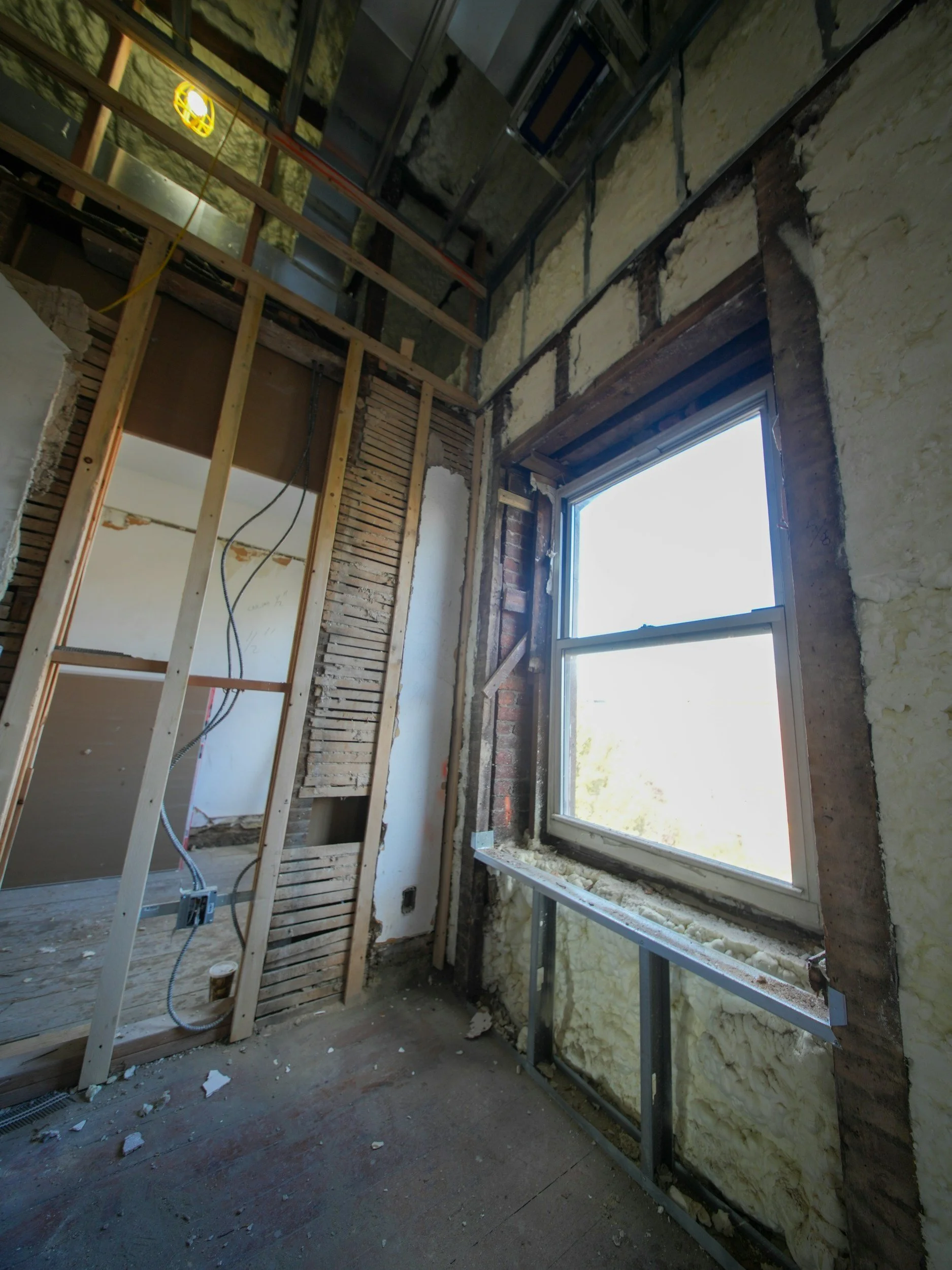
Restore and renovate existing homes to correct structural defects, improve sanitation, and create child‑friendly sleeping and living spaces.
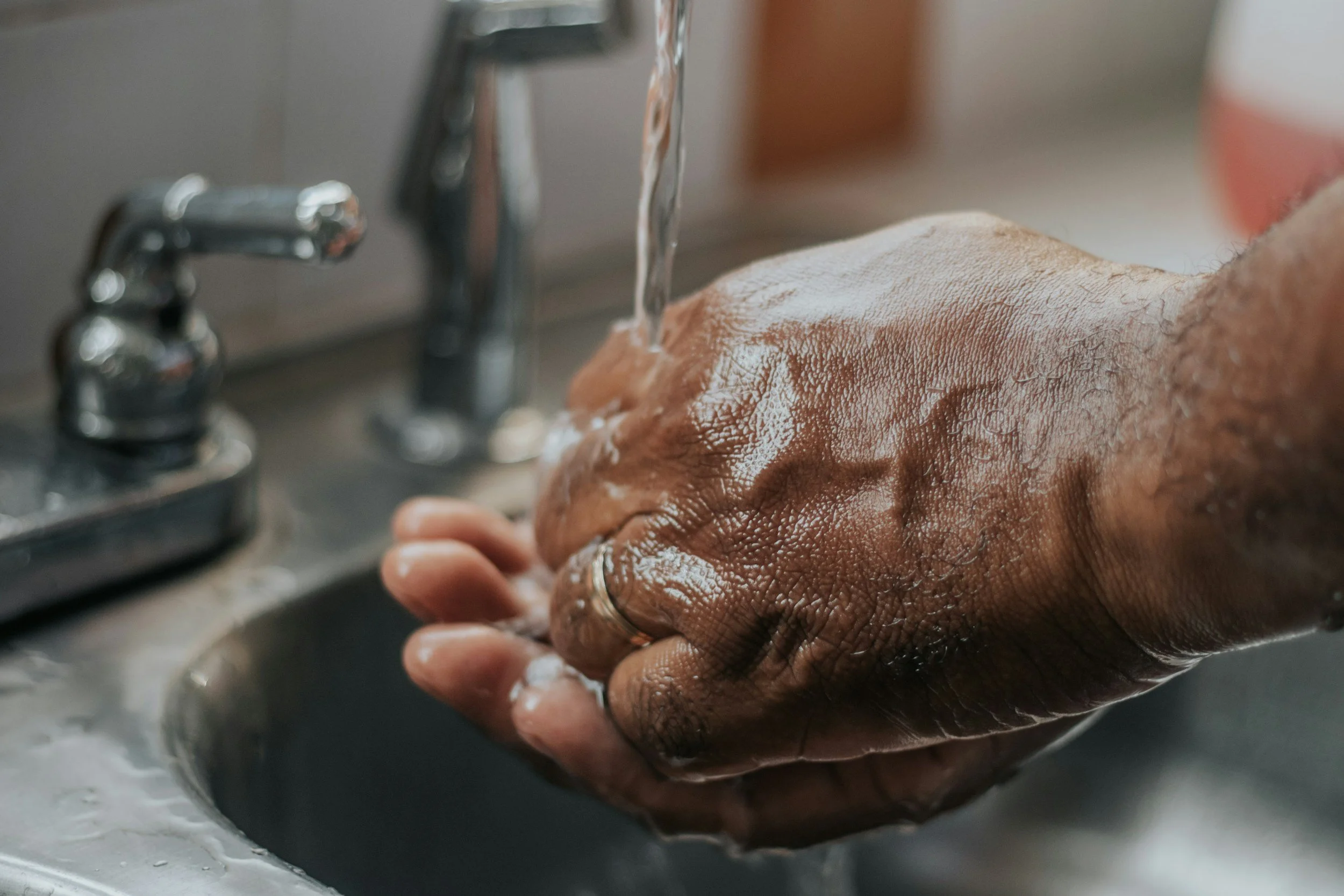
Include secure perimeter fencing, reliable access to clean water, and basic solar lighting where grid power is unreliable.
School construction and classroom expansion
Construct primary and secondary school buildings on or near Faith Children’s Home campuses to ensure consistent, nearby education.
Build multi‑use classrooms that can serve academic lessons, vocational training, and community meetings.
Provide essential facilities: libraries, computer labs with basic ICT access, teacher offices, latrines, drinking water stations, and staff housing when needed.
Classroom upgrades and learning environment improvements
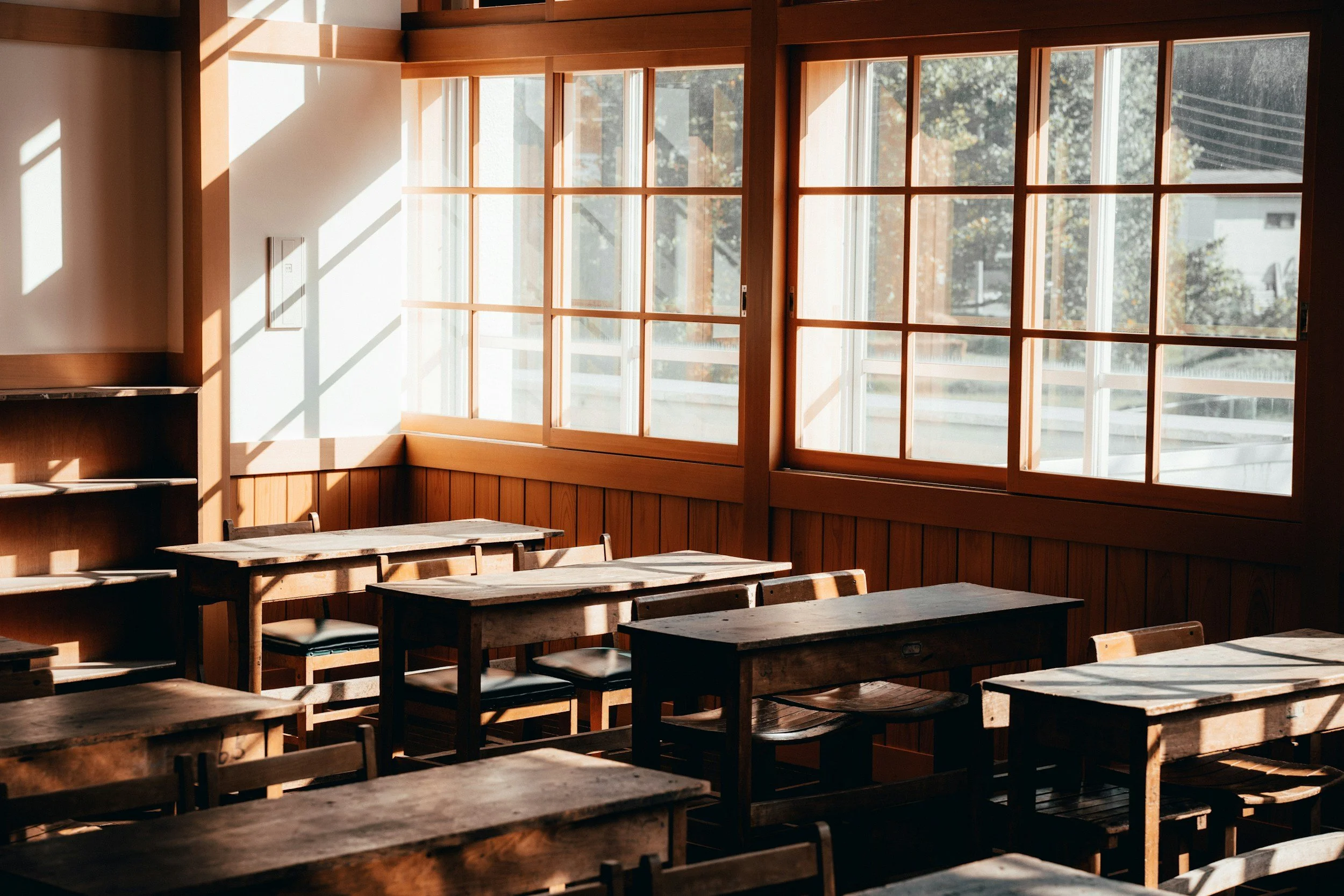
Repair classroom roofs, walls, floors, windows, and doors to create safe, weatherproof learning spaces.
Improve ventilation and natural lighting and install durable desks, blackboards/whiteboards, and shelving.
Equip classrooms with age‑appropriate learning materials, textbooks, and basic play/learning resources for early childhood development.
Design Principles
Child‑centered and trauma‑informed: Spaces designed to be welcoming and secure, with considerations for privacy, supervision, and sensory needs.
Community integration: Engage local leaders and families in planning to ensure projects meet community needs and encourage local ownership.
Sustainable and low maintenance: Use locally available materials and labor, climate‑appropriate designs, and simple systems that can be maintained locally.
Climate resilience: Incorporate rainwater harvesting, proper drainage, durable roofing, and passive cooling techniques to adapt to weather extremes.
Accessibility and inclusivity: Ensure facilities are accessible for children and staff with disabilities.
Construction and Partnership Strategy
Local workforce and suppliers: Prioritize hiring local contractors, masons, carpenters, and artisans to build local capacity and support livelihoods.
Phased implementation: Plan projects in phases—assessment, design, community consultation, construction, commissioning, and monitoring—to manage cost and quality.
Multi‑stakeholder funding: Combine donor contributions, grants, community fundraising, and in‑kind support to finance projects and ensure sustainability.
Technical partnerships: Work with local engineers, architects, and NGO partners for compliance with building codes, safety standards, and educational specifications.
Volunteer and internship programs: Offer short‑term volunteer support for non‑technical tasks and structured internships for local vocational students under professional supervision.
Operations and Maintenance
Training for caretakers and school staff on basic maintenance, water and sanitation systems, and energy systems to prolong asset life.
Establish small maintenance funds and community maintenance committees to handle routine repairs and prevent deterioration.
Regular monitoring and evaluation of building performance, user satisfaction, and educational outcomes to inform future projects.
Impact Metrics Track outcomes to measure impact:
Number of homes built or restored and children housed safely.
Number of classrooms/schools constructed or renovated and student capacity gained.
Attendance and retention rates before and after project completion.
Improvements in learning outcomes, measured by assessments or progression rates.
Community employment created and local materials procured.
Immediate Needs and Next Steps
Site assessments for priority locations within the Faith Children’s Home network.
Detailed cost estimates and project timelines for a phased rollout.
Launch fundraising campaigns focused on specific projects (e.g., “Build a Classroom,” “Restore a Home”).
Secure partnerships with local technical experts for design and supervision.
Strategic building and restoration projects will strengthen Faith Children’s Home’s capacity to shelter, educate, and empower Uganda’s vulnerable children. By combining child‑centered design, local partnerships, sustainable practices, and clear impact metrics, these projects can deliver durable benefits to children and their communities.